Maezing Content

I Talk about SEO tips, marketing, blogging tips, branding strategy, and digitalmarketing tips

  • In the vast realm of academic pursuits, there is a subject that stands out as a beacon of inspiration and creativity for me—English. It’s not just about grammar rules and literature analysis; rather, it’s a journey into the magical world of storytelling, a realm where words come to life and imagination knows no bounds. I have always loved books. The smell of books, the stories they tell, not only inside the pages but over time. As a young kid, the youngest of 8 children, it was easy for me to pick up a book and get lost in the stories for hours and hours. The tales of pirates with golden teeth sailing the intrepid seas in search of elusive treasure, the young women growing up in dystopian societies and learning how to become who they were meant to be, silly dog tales where the dog was always a feisty detective. It didn’t matter, stories made life fun and interesting.

    My love for English and writing was not so instantaneous; it was carefully nurtured by an extraordinary teacher, Ms. Lujan, who possessed the remarkable ability to breathe life into the pages of every book and make language a living, breathing entity. Ms. Lujan was more than an instructor; she was a guide, a mentor, and, most importantly, an enabler of creativity.

    As I reflect on my English classes, one vivid image comes to mind—the way Ms. Lujan brought stories to life. Every character, every plot twist, and every metaphor seemed to transcend the confines of the printed page and manifest in the classroom. It was as if we were not just studying literature; we were living it. This transformative experience turned the classroom into a stage, and each lesson became a captivating performance.

    One such performance that left an indelible mark on my memory was our exploration of Upton Sinclair’s “The Jungle.” Ms. Lujan’s passionate rendition of the struggles faced by Jurgis Rudkus and his family in the meatpacking industry transformed a seemingly distant narrative into a visceral experience. The classroom became a microcosm of the harsh realities depicted in the novel, bringing to light the power of literature to evoke empathy and understanding.

    In addition to “The Jungle,” Ms. Lujan introduced me to the whimsical and thought-provoking world of Tom Robbins through works like “Even Cowgirls Get the Blues.” Robbins’ unique narrative style and eccentric characters became a playground for our imagination. Ms. Lujan skillfully navigated through Robbins’ unconventional storytelling, encouraging us to embrace the unconventional and challenge traditional norms—a lesson that extended far beyond the boundaries of the novel.

    Shakespeare’s “Romeo and Juliet” provided another dimension to our literary exploration. The timeless tale of star-crossed lovers unfolded in our classroom like a poignant drama, and Ms. Lujan’s insightful analysis shed light on the intricacies of the human experience. Through discussions on love, tragedy, and societal expectations, English class became a space for profound reflections on the human condition.

    Harper Lee’s “To Kill a Mockingbird” added a layer of social consciousness to our literary journey. Ms. Lujan skillfully guided us through the racially charged landscape of Maycomb, fostering discussions on justice, morality, and the enduring impact of prejudice. The classroom transformed into a forum for critical thinking, where the lessons of the past were examined in the context of the present.

    Amidst these literary explorations, Ms. Lujan’s impact on my personal growth was profound. She never gave up on me, even when the complexities of language seemed insurmountable. Her unwavering support and encouragement became a beacon of hope during challenging times, reminding me that the power of words extended beyond the pages of a book—they were tools for self-expression and understanding.

    One aspect of Ms. Lujan’s teaching style that stood out was her encouragement to infuse humor into our writing. In a world often filled with seriousness, she believed that laughter and levity were essential elements of effective communication. This guidance not only made the learning process enjoyable but also instilled in me the belief that creativity could thrive in an atmosphere of joy.

    Beyond the literary analysis and grammar exercises, my English class with Ms. Lujan became a sanctuary for personal growth. Her ability to weave storytelling, creativity, and humor into the curriculum transformed a seemingly ordinary subject into an extraordinary adventure. Through her guidance, I not only developed a passion for literature but also found a medium through which I could explore the depths of my own imagination.

    English class with Ms. Lujan has become more than just a subject for me; it is a journey of self-discovery and creative expression. Every time I walked into her classroom I was transported into a new reality, a new play, or drama that I carried with me through life. Thanks to Ms. Lujan, an exceptional teacher who believed in the power of words, the potential within each student, and the joy of laughter, I not only developed a passion for literature but also found a medium through which I could explore the depths of my own imagination. The transformative power of words, coupled with Ms. Lujan’s inspiring guidance, has left an indelible mark on my academic journey, shaping not only my understanding of language but also my appreciation for the boundless possibilities that lie within the realm of storytelling.

  • Hey there, fellow digital pioneers! As we carve our paths through the vast online landscape, one thing becomes abundantly clear: backlinks are the unsung heroes of website success. In this guide, I want to share my experiences, lessons learned, and the nitty-gritty details of why backlinks are the secret sauce that can elevate your website’s authority. So, buckle up as we embark on a journey to unlock the power of backlinks!

    Section 1: What Are Backlinks?

    Let’s start with the basics. Backlinks are the virtual highways connecting one webpage to another. Think of them as the recommendations from one online buddy to another. You’ve got inbound links (those pointing to your site) and outbound links (those leaving your site). It’s a two-way street, and understanding the dynamics is crucial.

    Section 2: Why Are Backlinks Important?

    Picture this: you’ve created an incredible piece of content, but how do you make sure it’s not shouting into the void? That’s where backlinks come in. Search engines see them as votes of confidence. The more trustworthy friends (read: high-quality backlinks) vouch for your content, the higher you climb in search engine rankings. It’s the ultimate popularity contest, and backlinks are your golden tickets.

    Section 3: Quality vs. Quantity

    Quality matters over quantity. It’s not about amassing a legion of mediocre links; it’s about cultivating relationships with the cool kids on the internet block. A single shout-out from an authoritative source speaks volumes. Aim for backlinks from trustworthy websites, industry influencers, or the digital equivalent of the popular crowd.

    Section 4: Building a Backlink Strategy

    Now, let’s get down to business. Crafting a backlink strategy is like making friends at a party. Guest posting on reputable sites is your way of joining the conversation. Engaging with influencers? That’s like striking up a chat with the VIPs. And don’t forget to bring your content to the social media party—it’s where the cool kids hang out, and your content deserves to be seen.

    Section 5: Common Backlink Mistakes to Avoid

    In the quest for digital stardom, shortcuts might seem tempting. But beware! Engaging in shady practices like buying backlinks or participating in link schemes is a one-way ticket to search engine penalties. Play it smart, play it safe. Think of it as maintaining your digital street cred.

    Section 6: Monitoring and Maintaining Backlinks

    Building links is just the beginning. Imagine you’ve got a garden. You wouldn’t plant flowers and forget about them, right? Regularly check your backlink garden using tools like Google Search Console. Weed out the spammy links, nurture the good ones, and keep your digital landscape flourishing.

    Section 7: Case Studies and Success Stories

    Let’s get real. Success stories are the heart of this journey. Websites that have mastered the art of backlinking often see the rewards—higher rankings, increased traffic, and a shining reputation in their niche. These stories aren’t just inspiring; they’re roadmaps for us to follow.

    Conclusion:

    As we wrap up our backlink expedition, remember, it’s not just about collecting links. It’s about building meaningful connections. Quality over quantity. So, here’s to fostering those digital friendships that stand the test of algorithms and trends. May your website soar to new heights, fueled by the power of authentic, impactful backlinks.

    Call to Action:

    I’m eager to hear your backlinking tales! Share your wins, challenges, or burning questions in the comments below. Let’s build a community where we can all learn and grow together. For more insider tips on navigating the ever-evolving digital landscape, subscribe to our newsletter. Together, let’s conquer the backlink maze! 🚀

  • Creativity is all around us. We can look back at our early teachings in English class as a way to guide us. For example, Haiku’s. What are they? Typically in poem form and following a 5-7-5 syllable pattern. Sounds easy, Right?!

    Can you create them in the digital marketing space? Are they relevant? I am interested in knowing your thoughts.

    Pixels weave the tale,
    Clicks dance in cyber realms wide,
    Branding in the code.

    In the digital sea,
    Keywords ripple with intent,
    Marketing sails set.

    Data whispers hum,
    Algorithms chart the course,
    Metrics speak, profound.

    Engagement blooms bright,
    Social echoes amplify,
    Campaigns in the light.

  • I like to think of SEO as a big spider web. Where all the pieces have to be aligned and connected in order to work properly.

    Search Engine Optimization (SEO) is a buzzword (let’s be honest) in the digital world, but for many, it remains a mystery. In this post, I wanted to break down the fundamentals of SEO and reveal the common mistakes that even beginners should be aware of. Whether you’re a small business owner, a blogger, or just someone curious about improving online visibility, this post is for you.

    Before diving into common mistakes, let’s understand why SEO is essential. It’s not just about ranking high on Google; it’s about attracting the right audience and increasing your online presence.

    The Cornerstone of SEO is Keyword research. That is where it all begins. Choosing the right keywords and can impact your visibility in search engines so it is very important to be thoughtful and research these words carefully.

    The ABCs of Optimization
    On-page SEO involves optimizing your web pages for search engines. I’ll demystify meta tags, header tags, and content optimization, and why they matter for your site’s success.

    The Mobile Revolution
    With mobile devices dominating web traffic, it’s crucial to ensure your website is mobile-friendly. Failing to do so can negatively impact your search engine rankings.

    The Quality Content Conundrum
    It is true, Content is king, but not all content is created equal. Now more than ever it is important to create valuable, informative content that resonates with your audience and the search engines.

    The Patience and Persistence Factor
    SEO is a marathon not a sprint. It’s important to remain patient and persistent in your efforts, as instant results are rare and inconsistent.

    Common Mistakes in SEO: What to Avoid
    Now, let’s delve deeper into the common mistakes many make when trying to navigate the world of SEO:

    Mistake 1: Neglecting Keyword Research
    Skipping this step can result in missed opportunities and provide tips for effective keyword research.

    Mistake 2: Underestimating On-Page SEO
    On-page SEO directly impacts your search engine rankings and provides actionable tips for optimization.

    Mistake 3: Ignoring Mobile Optimization
    Failing to cater to mobile users can decrease search results’ visibility.

    Mistake 4: Settling for Low-Quality Content
    Not all content is created equal. The importance of high-quality content and how it contributes to your SEO success.


    Mistake 5: Impatience with Results
    I cannot emphasize the need for patience in the world of SEO and why instant results are unrealistic.


    Conclusion
    In this SEO journey, knowledge is power. By understanding the common mistakes and pitfalls, you can set yourself on the path to online success. Whether you’re a business owner or a content creator, avoiding these common SEO mistakes will be your first step towards a stronger online presence.

  • As we have seen the landscape of SEO and content marketing has evolved over the years, leading to a shift in strategy away from solely targeting high-ranking keywords towards a more nuanced approach that includes the use of long-tail keywords. I believe there are many reasons for this shift and in a good way.

    High-ranking keywords are often highly competitive, making it difficult for smaller businesses or newer websites to rank well. (Google also doesn’t make this any easier 😉 ) Established websites with higher domain authority tend to dominate these keywords. Words like “Camera” instead of “Best cameras for kids outdoor sports”

    As more businesses invest in #SEO and #contentmarketing, the competition for high-ranking keywords has intensified, making it challenging to break through.

    We have also seen a big change in user search behavior. People now use search engines to ask specific questions or seek solutions to niche problems.
    Long-tail keywords can often mimic these natural language queries, making them more relevant to users’ intentions.

    Because Long-tail keywords tend to have lower search volume the conversion rates are often higher. This is because they are more specific and align closely with what users are looking for.
    Targeting long-tail keywords can lead to a more qualified audience, increasing the likelihood of conversions and sales.

    Long-tail keyword-focused content often provides more detailed and valuable information, enhancing the overall user experience.
    This aligns with search engines’ goals of delivering high-quality, informative content to users, which can indirectly boost SEO.

    Relying solely on high-ranking keywords can limit the diversity of your content strategy. By incorporating long-tail keywords, you can explore various niches and topics, reaching a broader audience.

    We all know voice search is becoming more popular, so optimizing for long-tail keywords that mimic spoken language is crucial. Users are more likely to phrase voice queries as full questions or conversational sentences.

    Long-tail keywords allow you to target specific niches and cater to specialized audiences. This can be highly effective for businesses in niche industries or with unique products/services.

    While high-ranking keywords are still important, a balanced approach that incorporates long-tail keywords can lead to a more effective and sustainable SEO strategy. Thoughts???? #Longtailkeywords #Keywords #SEOstrategy

  • The SEO landscape is constantly evolving. Remember, SEO is a marathon, not a sprint. Adapting to search engine algorithm changes and user behavior is important. It is also equally important to not remain stagnant. Continue to grow and learn in the industry. Stay up to date on industry news and be prepared to adjust your strategy.

    As a content marketer who attended Content Marketing World, I can share some insights into SEO best practices for 2023 and 2024 based on the latest trends and strategies discussed at the event.

    Here are some SEO best practices that were emphasized and I am interested to know your thoughts and ideas:

    User-Centric Content: The focus on user experience and providing valuable, high-quality content will remain a top priority.

    Mobile-First Optimization: With Google’s mobile-first indexing, it’s essential to ensure that your website and content are mobile-friendly.

    Core Web Vitals: Google’s Core Web Vitals, which include metrics like loading speed, interactivity, and visual stability, will play a crucial role in search rankings.

    Voice Search Optimization: As voice search grows, optimize your content for voice queries.

    Semantic SEO: Google’s algorithms are becoming more sophisticated in understanding the context and semantics of content.

    Content Clusters and Pillar Pages: Organize your content into clusters around pillar pages. This approach helps create a comprehensive resource on a topic, which can boost your authority and rankings.

    Video and Visual Content: Visual content, including video, is becoming increasingly important. Consider incorporating videos, infographics, and images into your content strategy to engage users.

    Featured Snippets and SERP Features: Aim to appear in featured snippets and other SERP (Search Engine Results Page) features.

    E-A-T (Expertise, Authoritativeness, Trustworthiness): Google places a high value on E-A-T when ranking content. Establish and showcase your expertise, authoritativeness, and trustworthiness in your niche or industry.

    AI and Machine Learning: Stay updated with AI-driven tools and machine learning advancements in SEO. These technologies can help automate tasks, analyze data, and provide insights for optimization.

    User Engagement Metrics: Click-through rates (CTR), bounce rates, and time on page. High-quality content that keeps users engaged can positively impact rankings.

    Content Freshness: Regularly update and refresh your content to keep it relevant. Google rewards websites that provide up-to-date information.

    Technical SEO: Ensure that your website’s technical aspects, such as site speed, crawlability, and indexability, are optimized.

    Content Promotion and Distribution: Effective content promotion and distribution strategies, including social media marketing, email marketing, and influencer outreach, will continue to be crucial for SEO success. #CMWorld #SEO #DigitalMarketing

  • Web Development (No Fancy Frameworks Required)

    If you look past all the modern frameworks, plugins, and tools, you’ll find the same three basics at the core of web development: HTML, CSS, and JavaScript. They’re like peanut butter, jelly, and bread, okay on their own, but together, they make something great.

    You might wonder, “Why go back to basics?” The answer is simple: having a strong foundation is important, and sometimes, revisiting the basics is the best way to make progress.

    HTML: The Skeleton (Not Pretty, but Necessary)

    HTML (Hypertext Markup Language) is the structure of a web page. It tells the browser what things are: headings, paragraphs, images, links, buttons, and so on. Without HTML, a website wouldn’t exist, there would be nothing to style or interact with.

    On its own, HTML is a bit plain. But its job isn’t to be pretty, it’s to be clear, organized, and meaningful. Proper HTML also enhances accessibility and search engine optimization, which is a significant benefit even if users never notice it.

    Let’s see this in action: 

    <h1>Welcome to My Website</h1>

    <p>This site is built with HTML, CSS, and JavaScript.</p>

    <button>Click Me</button>

    If you opened this in a browser, you’d see the text and a button, but it wouldn’t look very exciting. HTML’s job is not to impress; it’s to exist and make sense.

    Think of HTML as the labeled boxes before you decorate your house.

    CSS: Making It Look Like You Tried

    If HTML is the skeleton, CSS (Cascading Style Sheets) is the outfit. CSS controls colors, fonts, spacing, layouts, and how a site looks on different screen sizes. This is where your website goes from “unstyled document” to “something you’d actually show another human being.”

    CSS lets developers keep design separate from content, which makes updating and maintaining a site much easier. Want to change the brand color across an entire website? CSS has your back. Want to make sure your site doesn’t fall apart on mobile? That’s CSS doing the heavy lifting.

    CSS is what saves your website from looking dated. It controls colors, fonts, spacing, and layout, giving your site its unique look.

    h1 {

    color: steelblue;

    font-family: Arial, sans-serif;

    }

    button {

    background-color: gold;

    border: none;

    padding: 10px 16px;

    font-weight: bold;

    }

    Now that same HTML suddenly looks intentional. The text has personality. The button looks clickable (and not like a mistake).

    CSS lets you change the appearance without touching the content, meaning your design can evolve without rewriting your entire page.

    JavaScript: The Brain (and Personality)

    JavaScript is where things get interesting. It adds behavior and interactivity, things like dropdown menus, form validation, pop‑ups, animations, and content that updates without reloading the page.

    While HTML and CSS sit quietly until loaded, JavaScript listens and reacts. Click a button? JavaScript notices. Submit a form? JavaScript checks it. Scroll the page? JavaScript might jump into action. Most modern web experiences, from simple sliders to full web apps, rely on JavaScript to feel fast and responsive.

    <button onclick=”sayHello()”>Click Me</button>

    <script>

    function sayHello() {

    alert(“Hello! Thanks for clicking.”);

    }

    </script>

    Now the button isn’t just sitting there looking pretty, it actually does something. Click it, and JavaScript steps in to respond.

    This is the difference between a static page and an interactive experience.

    How They Work Together (The Real Magic)

    Each technology has its own role, but the magic happens when they work together:

    • HTML creates the content/button
    • CSS styles the content/button
    • JavaScript interacts with the content/handles what happens when clicked. 

    JavaScript can update HTML on the fly and adjust CSS styles instantly, responding to user actions in real time. This coordination is what turns a static web page into a dynamic and engaging experience. I find this coordination so MAGICAL!

    Why “Back to Basics” Still Matters

    Knowing the basics makes everything else easier to learn and much easier to debug when things go sideways (and they will).

    In web development, fundamentals aren’t optional. They’re the foundation. Mastering HTML, CSS, and JavaScript gives you the confidence as a developer to build better websites, understand modern tools, and avoid feeling like you’re just copying code and hoping for the best.

    Web development moves fast, but the basics haven’t changed. Mastering them is how beginners become builders, and how builders grow into experts! Happy Coding Friends!

  • As the sun peeked over the horizon, painting the sky in strokes of orange and pink, Brody and I loaded up the car for our quick trip to Tucson. The backseat was a jigsaw puzzle of soccer gear, snacks, and Brody’s infectious enthusiasm.

    “Mom, I hope we do well today. The team could use some confidence. And I hope to kick some serious soccer butt so you can take some awesome action shots of me!” she declared, her eyes sparkling with excitement as we hit the road.

    The drive was a delightful mix of sing-alongs to her favorite playlists and the occasional pit stop for snacks that were too sugary for breakfast. Each mile brought us closer to the tournament, like a treasure map unfurling before us. We played the license plate game to pass the time and the classic “I Spy.”

    As we approached Tucson, the desert unfolded in a vibrant tapestry of colors, each saguaro cactus standing tall, welcoming us with open arms. “Look at them! They look like they’re all dancing!” Brody giggled; her face pressed against the window. It reminded me of how children can see the beauty and excitement in every little thing.

    We arrived at the fields just in time for warm-ups. The energy was palpable, a symphony of cheers and the rhythmic thud of soccer balls echoing in the air. Brody laced up her cleats with a focus that made her look older, as if she were channeling all the fierce determination of her favorite players.

    The games were a whirlwind of action, filled with spectacular goals and last-minute saves. Brody was a tornado of energy, darting across the field, her laughter mingling with the shouts of her teammates. I watched, a blend of pride and nostalgia swelling in my chest. This was more than just a tournament; it was an adventure, a chance for her to chase not just the ball, but her dreams. To watch her play and experience the excitement that she has for the game, is something that I will forever cherish. 

    After a victorious day, we decided to treat ourselves with a quick stop at a local diner. The kind of place where the booths are vinyl, and the milkshakes come in comically large glasses. Brody’s eyes widened at the menu. “Can I get a shake that’s bigger than my head?” she asked, a mischievous grin spreading across her face.

    “Only if you promise to share,” I replied, laughing as we placed our order.

    As we sat in the booth, milkshakes towering in front of us, we recounted the day’s highlights—her amazing defensive moves, the exhilarating team spirit, and the new friends she had made. Each story was punctuated by fits of giggles, the kind that bubble up from somewhere deep and feel like sunshine. Her laughter can be infectious, and I found myself at the field again recounting the day.

    As the sun began to dip low in the sky, casting a golden hue over everything, we made the quick drive back home. I realized this trip wasn’t just about soccer; it was about us. It was about laughter, whimsy, and the simple joys of being together. In the little moments, we were able to build a better bond as a mother/daughter but also as a trusted friend.

    In that moment, surrounded by the familiar landscape of Arizona and the warmth of the evening, I felt a connection that would outlast any tournament—one that was forever woven into our hearts. This was just the beginning of our adventures, a reminder that sometimes, it’s the journey, the laughter, and the little moments that truly matter. I sure love you, kid.

  • With a Dash of Humor

    In winter’s grip, New York’s embrace,
    A cab ride promised warmth—a cozy place.
    From LaGuardia’s buzz, where travelers swarm,
    To Central Park, I longed for warm.

    The window down, the wind did roar,
    I felt like Frost’s traveler, lost in a boreal chore.
    “Too cold!” I cried, “My bones might freeze!”
    But the cabbie winked, “New York’s a breeze!”

    Each mile dragged on, my teeth did clack,
    I wondered if this ride was some ironic hack.
    Like Dante’s trek through frigid rings,
    But this was just a cab—no epic strings.

    I quipped, “Well, at least it’s fresh!”
    But my joke was lost in the icy mesh.
    He chuckled, “You’ll build character, sweet,
    Surviving New York? That’s no small feat!”

    The cab became my personal chill,
    A frosty trip, like Wuthering Hill.
    Yet unlike Heathcliff’s vengeful plight,
    This ride, though cold, didn’t bite.

    Through frozen streets, we finally slowed,
    I stumbled out, my hopes re-glowed.
    But as I walked, my spirits soared,
    I’d survived the cabbie’s frosty accord.

    Now I laugh, with warmth restored,
    At the worst cab ride I ever endured.
    For in the end, it’s New York’s charm,
    Where cold and humor keep you warm.

    If I never meet this cabbie again, it will be too soon. And, the unfortunate part. I usually like to chit chat with my UBER driver anther their stories: I COULDN”T HEAR A THING! This is a writer nightmare!

  • Subscribe to continue reading

    Subscribe to get access to the rest of this post and other subscriber-only content.

  • So I read a lot, not generally a fan of celebrity authors but…

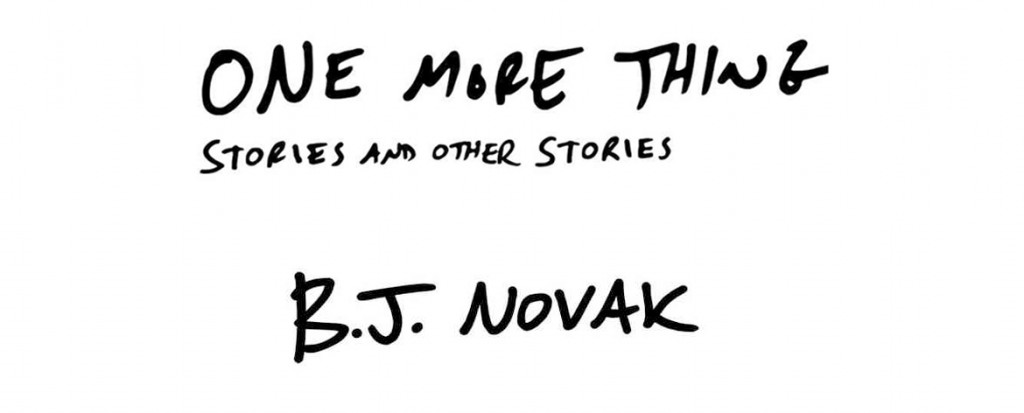
    So, I just finished reading BJ Novak’s One More Thing: Stories and Other Stories, and let me tell you—this book is like a box of chocolates. You never know what you’re gonna get, but it’s all pretty darn delicious. For those of you who don’t know, BJ Novak is the guy from The Office who wasn’t Jim or Dwight. Turns out, he’s not just funny on TV—he’s also a genius with words. Who knew?

    The Art of Short Stories

    Okay, let’s talk short stories. I used to think short stories were those things I wrote in school to avoid a full essay, recently I have been slowing changing my mind but Novak changed my mind completely. Each story in One More Thing is like a little nugget of wisdom wrapped in humor. Some of them are just a few sentences long, while others are full-on adventures. For example, there’s “The Girl Who Gave Great Advice.” It’s about this girl who’s super good at giving advice to everyone else, but her own life is a hot mess. It’s funny, relatable, and a little sad—kind of like when you realize you’ve been giving people Netflix recommendations but haven’t actually finished a show in months. I AM CERTAIN I AM NOT THE ONLY ONE GUILTY OF THIS!

    Then there’s “Kindness Among Cakes.” Yes, it’s a story about cakes being nice to each other. I’m not sure how Novak came up with the idea, but I’m glad he did. It’s like a Pixar short, but in book form. Imagine cupcakes and slices of cake at a party having deep conversations about kindness. Sounds weird? It is, but also kind of perfect.

    And don’t even get me started on “The Beautiful Girl in the Bookstore.” This one hit close to home because who hasn’t seen someone in a bookstore (or anywhere, really) and thought, “Wow, they’re out of my league, but what if…?” Novak takes that moment and spins it into a story that’s both funny and painfully real. Spoiler: it doesn’t end with a happily ever after, but that’s what makes it so good.

    Novak’s Writing Style

    Let’s just say Novak’s writing style is like that friend who tells great stories at parties. Not like me, I generally sit in the corner and take notes of off the things people are doing. You know, he’s the one who doesn’t need to yell or wave their arms around to get your attention. He’s subtle but sharp, and he gets to the point without wasting words. It’s like he’s saying, “I know you’re busy, so let’s make this quick.” And it works! His stories are full of surprises, too—just when you think you know where it’s going, he flips the script.

    Themes Explored

    Now, let’s get a little deep—just a little. One More Thing isn’t just funny; it’s also about life. Novak touches on everything from relationships to loneliness to the weird stuff we all think about but never say out loud. Like in “Sophia, This has to be one of my favorite pieces in this book. In this piece “a guy falls in love with a robot girlfriend. It’s funny at first, but then you realize it’s really about how lonely people can get, even in a world full of people.

    And in “The Rematch,” which is a follow-up to the classic Tortoise and Hare story, Novak shows us that sometimes winning isn’t everything. Sometimes, it’s about realizing that life keeps going, whether you’re ahead or behind. Deep, right?

    The Humor and Wit

    But let’s not get too serious here, because let’s face it… I am never really serious! Novak’s humor is what makes this book shine. He’s got this knack for making you laugh and think at the same time. Like in “Kindness Among Cakes,” the idea of cakes talking to each other is so absurd, but the conversations are so spot-on that you can’t help but smile and maybe even tear up a little. And “The Girl Who Gave Great Advice” is basically every person who’s ever been the go-to advice giver in their friend group, wondering why they can’t get their own life together. It’s funny because it’s true, and it’s a little sad for the same reason.

    Why One More Thing Is a Must-Read

    One More Thing is the kind of book you can pick up when you’re in the mood for a laugh, or when you want to ponder life’s big questions—sometimes both at the same time. It’s perfect for people who love short stories, witty humor, or just need a break from their Netflix binge. Plus, it’s like having BJ Novak as your personal storyteller, and who wouldn’t want that?

    Seriously, “The Beautiful Girl in the Bookstore” is going to make you rethink every missed connection you’ve ever had. It’s like Novak is reading your mind and writing it all down, but with a funnier punchline. I personally pick this book up all day long, reading different stories and new ideas. I carry it with me to soccer games and giggle out loud. People probably think I am a crazy lady. But who cares. Be you! Read On!

    Do yourself a favor a check it out

    So, if you haven’t read One More Thing: Stories and Other Stories yet, what are you waiting for? BJ Novak has created something truly special here—a book that’s as hilarious as it is thoughtful. Whether you’re a fan of his work on The Office or just love a good story, this book is a must-read. And who knows? You might even find yourself giving great advice—or at least laughing at those who do. As Novak says in one of his stories, “Happiness can only exist in acceptance.” So go ahead, accept this book into your life—you won’t regret it.

    **Not an endorsement, just like the book.

  • To my Husband: Who always finds a way….
    In the wagging tails, a joyful spree,
    As our dogs dance, wild and free.


    They twirl and spin, a furry delight,
    Then vanish into blankets, snug for the night.
    But still, I wait, my heart on hold,
    For your gentle voice, soothing and bold.


    In life’s endless stream, the highs, the lows,
    Through every ebb, every flow,
    You are my constant, my guiding light,
    The one who makes everything right.

    Yet, when morning comes, with a playful shove,
    You’re the one who pulls the covers off,
    Laughing, you say with a loving jest,
    “Get the hell out of bed and be your best!”


  • What would they really say?

    Introversion is often misunderstood and sometimes even mischaracterized as shyness or social anxiety. However, introversion is a distinct personality trait that encompasses a preference for quieter, more minimally stimulating environments. Introverts often find their energy is drained by social interactions, especially in large groups, and are rejuvenated by spending time alone or in small, intimate settings. This doesn’t mean that we don’t like people. I think the biggest misconception is that introverts are just home bodies who hate people. Well…. I ‘m not saying that is not true for some people. But for most of us, we just like our alone time. That is how we recharge.

    In a world that frequently celebrates extroversion—characterized by sociability, assertiveness, and outgoingness—introverts may feel overlooked or undervalued. This extroversion bias can be seen in various aspects of society, from educational settings that prioritize group work and class participation to workplaces that reward bold, outgoing behaviors. As a result, introverts may struggle to find their place in environments that do not cater to their natural inclinations.

    Yet, introverts possess a range of strengths that are often underappreciated. Their preference for solitude can foster deep thinking, creativity, and a capacity for intense focus. Many introverts are skilled listeners, empathetic communicators, and thoughtful decision-makers. These qualities are not just beneficial but essential in various domains, from leadership to innovation.

    It’s estimated that between 30% and 50% of the population are introverts, although the exact percentage may vary depending on the criteria used to define introversion. This significant portion of the population demonstrates the importance of recognizing and valuing introverted traits in our increasingly extroverted world.

    I am a true introvert. The idea of writing this, is more to inform my friends and to shed light on the fact that I love them, but sometimes I just don’t want to!

    I want to highlight some common myths and strengths that introverts bring to both personal and professional environments. Perhaps by understanding introversion better, we can create more inclusive spaces that allow friends and family, to thrive. I also want to talk a little about cultural dynamics that shape perceptions of introversion and provide actionable strategies for supporting introverts in different settings, although, this is not necessary a topic I am very well versed in. So please feel free to comment if you have suggestions.


    Typical Questions I get –

    Honest Answers:

    “Hey would you like to go get coffee”

    Introvert “No, not really”

    “Hey, why didn’t you answer my call”

    Introvert “I saw it ringing, but I didn’t want to talk on the phone

    “Hey, want to go to this party”

    Introvert: Yea, no thanks! I hate large groups of people

    Introvert: Just got to an event, looks around, ready to leave

    None, of these answers are means, just honest. It’s time to start normalizing honesty and when people need space!

    The Psychological Basis of Introversion

    From my studies, introversion is rooted in the broader framework of personality psychology. The concept can be traced back to Carl Jung, who first popularized the terms “introversion” and “extroversion” in the early 20th century. Jung described introverts as individuals who are primarily oriented towards their inner world of thoughts and feelings, in contrast to extroverts who are more focused on the external world of people and activities.

    Modern psychology has built upon Jung’s ideas, with the most notable contribution being the Five Factor Model, or “Big Five” personality traits, which includes introversion-extroversion as a key dimension. In this model, introversion is associated with traits such as reservedness, thoughtfulness, and a preference for solitary activities, while extroversion correlates with sociability, enthusiasm, and assertiveness.

    Research suggests that the difference between introverts and extroverts is not just behavioral but also neurological. Studies have shown that introverts may have higher levels of cortical arousal, meaning that they are more sensitive to external stimuli, which could explain their preference for quieter environments. Additionally, the brain’s dopamine system, which is associated with reward and pleasure, functions differently in introverts, who tend to find social interactions less inherently rewarding than extroverts do.

    It’s also important to note that introversion and extroversion exist on a spectrum, with many individuals falling somewhere in between. These people, often referred to as ambiverts, can exhibit traits of both introversion and extroversion depending on the situation.

    Understanding the psychological basis of introversion is crucial for appreciating the diverse ways in which people interact with the world. It challenges the one-size-fits-all approach often adopted in societal structures and encourages a more nuanced view of human behavior.


    So the next time you have a friend who doesn’t respond to your novel of a text message or red buttons you when you call, don’t get mad, just remember your introvert friends still love you, they just may not respond the way you want them to.

    ]


    References:

    1. Carl Jung’s Theories:
      • Jung, C. G. (1921). Psychological Types (Collected Works of C.G. Jung, Vol. 6). Princeton University Press.
      • This book introduces the concepts of introversion and extroversion.
    2. The Big Five Personality Traits:
      • McCrae, R. R., & John, O. P. (1992). “An Introduction to the Five-Factor Model and Its Applications.” Journal of Personality, 60(2), 175–215.
      • This article provides an overview of the Big Five model, which includes introversion-extroversion as one of the key traits.
    3. Neurological Differences in Introverts:
      • Eysenck, H. J. (1967). The Biological Basis of Personality. Transaction Publishers.
      • This book discusses cortical arousal levels and how they differ between introverts and extroverts.
      • Little, B. R. (2008). “Personal Projects and Free Traits: Personality and Motivation Reconsidered.” Social and Personality Psychology Compass, 2(3), 1235–1254.
      • This article explores the motivational and neurological aspects of introversion.
    4. Introversion in the Population:
      • Cain, S. (2012). Quiet: The Power of Introverts in a World That Can’t Stop Talking. Crown Publishing Group.
      • Susan Cain’s book is a comprehensive look at introversion and provides statistics on the prevalence of introversion in the general population.
  • Not Just For Runners, Marketers, Olympians …

    The Power of Pace: Integrating Speed into Your Marketing Strategy

    In the world of marketing, where trends emerge and evolve at breakneck speed, the concept of pace has become increasingly crucial. Pace in marketing refers to the speed at which strategies are implemented, campaigns are executed, and responses are made to market changes. In today’s hypercompetitive landscape, mastering the art of pace can be the difference between staying ahead of the curve and falling behind the competition. For many marketers, this can also mean countless hours of stress, content writing, deadlines, unmanageable budgets, you name it!

    Just as athletes in the Olympics must maintain a balance between speed and endurance, businesses must find the right tempo in their marketing efforts. The 2024 Olympics in Paris will showcase some of the fastest athletes in the world, reminding us that while speed is important, the ability to sustain that speed over time is what truly sets champions apart. Similarly, a marketing strategy that emphasizes pace must not only move quickly but also maintain consistent performance across various channels and initiatives.

    One of the key aspects of incorporating pace into your marketing strategy is agility. Agile marketing emphasizes the ability to adapt quickly to changing circumstances and consumer preferences. By maintaining a flexible approach, marketers can swiftly adjust their tactics to capitalize on emerging opportunities or mitigate potential threats. This agility allows companies to stay relevant in a dynamic market environment and maintain a competitive edge.

    Statistics show that speed in response can significantly impact consumer perceptions. According to a study by HubSpot, 82% of consumers expect an immediate response from brands when they have a marketing or sales question. In the age of social media and instant communication, customers expect prompt responses from brands. Failing to address their concerns in a timely manner can result in negative publicity and damage to your brand reputation. By prioritizing responsiveness and implementing efficient customer service protocols, businesses can foster trust and loyalty among their audience.

    Pace also plays a vital role in product development and innovation. But let’s not forget that your friendly marketing team, also plays a huge roll in product development and innovation. Let’s lean on those people!

    In today’s fast-paced consumer market, companies must continually innovate to meet evolving demands and preferences. The same way Olympic athletes prepare rigorously to compete at the highest level, businesses must accelerate their product development cycles to bring new offerings to market quickly. A recent survey by McKinsey found that companies that bring products to market quickly are 60% more likely to be leaders in their industry. Rapid iteration based on real-time feedback allows companies to refine their products and services to better meet customer needs, driving long-term success and profitability.

    Effective use of data and analytics is another critical component of a high-paced marketing strategy. By leveraging advanced analytics tools, marketers can gain valuable insights into consumer behavior, market trends, and campaign performance in real-time. This data-driven approach enables companies to make informed decisions quickly, optimizing their marketing efforts for maximum impact and efficiency. From identifying new target audiences to fine-tuning advertising strategies, data-driven insights empower marketers to stay one step ahead of the competition.

    However, it’s essential to strike the right balance between speed and precision. While moving quickly is important, rushing into decisions without proper analysis or planning can lead to costly mistakes. It’s crucial to maintain a strategic approach and prioritize quality over sheer speed. By carefully evaluating each opportunity and weighing the potential risks and rewards, marketers can make informed decisions that drive sustainable growth and success.

    In conclusion, pace is a critical component of modern marketing strategy. By embracing agility, responsiveness, innovation, and data-driven decision-making, businesses can effectively navigate the fast-paced and ever-changing landscape of the digital age.

    Just as in the Olympics, where the fastest and most enduring athletes rise to the top, companies that master the art of pace can stay ahead of the curve, delight customers, and achieve long-term success in today’s competitive market environment.

  • In the backseat of the car in sunlight’s gleam,
    A little girl dreams her joy, her dream,
    With laughter dancing in her eyes so bright,
    She clutches tight her father’s gift, oh so right.

    A black cat, soft and plush, with button eyes,
    A token of love, a heartfelt surprise.
    Her father’s smile, a memory sweet,
    Promising love that would never deplete.

    Together they played, a bond so pure,
    In their world, love was the only lure.
    They’d chase imaginary mice, explore the land,
    Hand in hand, they’d always stand.

    But time, relentless, had its way,
    And her father’s departure came one day.
    With a hug so tight, he whispered goodbye,
    Leaving behind a tear in her eye.

    Alone now, with just her cat to hold,
    The little girl’s heart felt bitterly cold.
    Her laughter faded, replaced by tears,
    As she longed for her father’s comforting cheers.

    The black cat, once a source of glee,
    Now a silent witness to her misery.
    Each night she clutched it, longing for the past,
    Hoping against hope it would forever last.

    Yet the cat, though soft and dear,
    Could never replace the one she held near.
    And so, in the stillness of the night,
    She wept for her father, out of sight.

    But in her heart, a flicker of light,
    A memory of love shining bright.
    Though parted now, their bond would endure,
    In every beat, in every pure.

    So, though sadness may cloud her sky,
    Hope still lingers, refusing to die.
    For in her father’s love, forever she’ll bask,
    Even if he’s just a memory behind a mask.

  • A short poem

    Always pondering the horizon,

    Past and Future,

    weights we carry.


    In our twenties,

    ensnared by time,

    Chained by the rhythm of schedules.

    Anticipating relentlessly,

    The next move,

    the next milestone.


    Yet, lost in the chase for tomorrow,

    We overlook the beauty of now.

    Blind to the present’s offerings,

    Moments slip through eager fingers.


    Let’s pause,

    reclaim the present,

    Embrace the richness it unfolds.

    For in the tapestry of existence,

    The present is where life truly dwells.